-
Stowell, George
Stowell, George
Association: Pioneers of Alaska, Juneau Men's Igloo
Role: Charter Member
Biography
George Stowell was a charter member of the Juneau Men's Igloo of the Pioneers of Alaska.
He was born in March 1871 in Massachusetts. Stowell came to Alaska in 1896 during the early years of the territory’s mining development.
By 1900 he was living at Sum Dum, Alaska, where he worked as a miner. He later served as Chief Clerk in the office of the United States Surveyor General in Juneau.
Stowell moved to Portland, Oregon in 1916. He died there on August 10, 1919.
Sources
- 1900 U.S. Federal Population Census
- Daily Alaska Empire, August 23, 1919
-
Strong, John Franklin Alexander
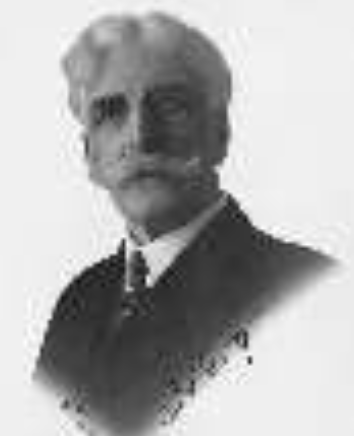
Primary Name: Strong, John Franklin Alexander
Filed as: Strong, John F. A.
Also known as: John Franklin Alexander Strong; J.F.A. Strong; Governor John Strong; Major Strong
Occupation / Association: Governor of Alaska Territory; newspaper editor and publisher; charter member, Pioneers of Alaska Juneau Men’s Igloo
Associated places: Salmon Creek, New Brunswick, Canada; Fredericton, New Brunswick; Spokane, Washington; Bellingham, Washington; Seattle, Washington; Tacoma, Washington; Skagway, Alaska; Dawson, Yukon Territory; Nome, Alaska; Iditarod, Alaska; Katalla, Alaska; Juneau, Alaska
Keywords: John F A Strong, Governor of Alaska Territory, Alaska Daily Empire founder, Nome Nugget newspaper, Skagway Klondike journalism, Soapy Smith opposition, Juneau Men’s Igloo charter members, Alaska territorial politics
Biography
John Franklin Alexander “Major” Strong was a newspaper publisher, territorial leader, and charter member of the Pioneers of Alaska Juneau Men’s Igloo. He served as the tenth Governor of the Territory of Alaska from 1913 to 1918.
Strong was born in Salmon Creek, New Brunswick, Canada, on October 15, 1856. He graduated from the New Brunswick Normal School in 1874 and spent the next fourteen years working as a teacher and store owner throughout the province.
On December 31, 1879, he married Elizabeth A. Aitken of Fredericton, New Brunswick, and the couple had three children. Strong later married Anna Hall of Seattle in 1896.
A newspaperman by profession, Strong worked with newspapers in Spokane, Bellingham, Seattle, and Tacoma. In 1897, he and his wife traveled north to Skagway during the Klondike gold rush. While planning to continue to the Klondike, the booming town of Skagway provided an opportunity for journalism. Strong soon became editor of a local newspaper and wrote strongly against the criminal activities of “Soapy” Smith and his gang, supporting the efforts of law-abiding citizens to restore order in the town.
In 1899, Strong headed to the Klondike and briefly tried prospecting before returning to newspaper work with the Dawson News. Later that year, he went to Nome, Alaska, where he established the Nome Nugget in 1900 and operated it successfully for many years.
Strong later founded newspapers in Iditarod and Katalla, and even operated a paper in a mining camp in Arizona before returning north once again. In November 1912, he founded the Alaska Daily Empire in Juneau.
President Woodrow Wilson nominated Strong as Governor of the Alaska Territory on April 17, 1913. He was sworn into office on May 21, 1913. His administration faced immediate financial difficulties when salmon canneries refused to pay a territorial tax on canned salmon, a major source of revenue for the young territorial government.
During Strong’s tenure, several important developments occurred in Alaska. Legislation and policies during this period included the implementation of workers’ compensation laws, the establishment of the territory’s first old-age pension system, the creation of a territorial Board of Education, and the authorization of a territorial university. Major events affecting Alaska at the time included the construction of the Alaska Railroad, beginning in 1914, and the creation of Mount McKinley National Park in 1917. Territorial voters also approved a prohibition referendum in 1917.
President Wilson declined to reappoint Strong to a second term, and his final day in office came in April 1918. According to later accounts, the decision may have been influenced by information suggesting that Strong, who had been born in Canada, had never formally completed the United States naturalization process.
John F. A. Strong died in Seattle, Washington on July 27, 1929.
Sources
Biographies of Alaska-Yukon Pioneers 1850–1950, Vol. 2, pp. 309–310; Vol. 3, pp. 282–283, Ed Ferrell
Wikipedia: John Franklin Alexander Strong
-
Studebaker, Gustave
Studebaker, Gustave
Association: Pioneers of Alaska, Juneau Men's Igloo
Role: Charter Member
Biography
Gustave Studebaker was a charter member of the Juneau Men's Igloo of the Pioneers of Alaska.
He was born in February 1863 in Germany and immigrated to the United States in 1881.
Studebaker arrived in Juneau in 1896, during the early years of the territory’s mining boom. He initially worked as a waiter and later became a partner in the Studebaker & Bosch Saloon, one of the businesses serving the rapidly growing community.
He married in Juneau in 1902. After many years in Alaska, Studebaker left the territory for San Diego, California, in November 1921.
Sources
- 1910 U.S. Federal Population Census
- Daily Alaska Empire, May 7, 1924
- 1909 Alaska Almanac
-
Tanner, Josias Martin
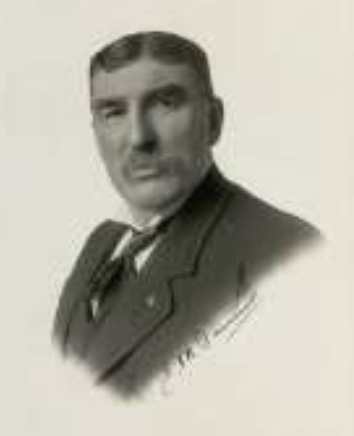 Primary Name: Tanner, Josias Martin
Filed as: Tanner, Josias Martin
Also known as: Josias Tanner; “Senator Si” Tanner
Occupation / Association: Charter Member, Juneau Men's Igloo; Alaska Territorial Senator; Mayor of Skagway; Deputy United States Marshal; merchant; miner
Associated places: Oakland County, Michigan; Central City, Colorado; Juneau, Alaska; Skagway, Alaska; Tacoma, Washington
Keywords: Josias Martin Tanner, Senator Si Tanner, Juneau Men's Igloo charter members, Skagway Alaska mayor, Soapy Smith era Skagway, Alaska Territorial Legislature, Skagway Vigilantes, Arctic Brotherhood members, Alaska-Yukon pioneers
Biography
Josias Martin Tanner was a charter member of the Juneau Men's Igloo of the Pioneers of Alaska and one of the prominent early civic leaders of Skagway during Alaska’s gold rush era.
Tanner was born in Oakland County, Michigan, on February 22, 1850. His grandfather served in the Revolutionary War, having enlisted at the age of fifteen. A brother of Tanner’s grandfather, William Tanner, was reportedly a member of President George Washington's bodyguard when the British and Loyalists attempted to capture the first President.
Known throughout Alaska as “Senator Si,” Tanner served two terms in Alaska’s territorial lawmaking assembly.
As a young man, Tanner began his career in mining. At the age of twenty, he left Michigan and went to Central City, Colorado, one of the famous mining camps of Gilpin County. There he worked in the gold mines and mills of Colorado for four years.
In 1871, he married Juliette Valentine, the sister of Emery Valentine, who later served as mayor of Juneau. Three children were born to the couple: two daughters, who later lived in Tacoma, Washington, and a son, Fred Tanner, who eventually joined his father in business in Skagway.
The family later moved to Tacoma, where Tanner worked in the contracting business. In 1896, he accepted a position in Emery Valentine’s general store in Juneau.
During the Klondike Gold Rush, he moved to Skagway in July 1897 during the Dawson stampede and remained there for the rest of his life. In Skagway, he played an important role in maintaining order during the turbulent gold rush years.
Tanner helped organize and command the Skagway Vigilantes, a citizens’ group formed to preserve law and order during the period when the notorious outlaw Soapy Smith and his gang dominated the town. Organized lawlessness in Skagway culminated in Smith’s death on July 8, 1898.
Because of his leadership and composure during the effort to drive Smith’s gang from the city, Tanner was appointed Deputy United States Marshal by Marshal J. M. Shoup and served in that position for two years.
Tanner remained active in Skagway's civic affairs for many years. He served for five years on the Skagway City Council, was elected mayor three times, and also served for five years as municipal magistrate.
He was also active in fraternal organizations, including the Benevolent and Protective Order of Elks, the Independent Order of Odd Fellows, and the Arctic Brotherhood.
In addition to his political and civic career, Tanner operated a hardware store in Skagway and held business interests in the Home Power Company of Skagway.
Sources
Ferrell, Ed. Biographies of Alaska-Yukon Pioneers 1850–1950, Volume 2, pp. 321–322 (2009).
Alaska Digital Archives, James Joseph Connors Photograph Collection, PCA 457.
-
Tascher, Frank H.
Tascher, Frank
Born: May 1870
Birthplace: Indiana
Occupation: Miner
Association: Charter Member, Pioneers of Alaska Juneau Men's Igloo
Residence in Alaska: Porcupine City near Haines, Alaska (1900)
Biography
Frank Tascher was an early Alaska resident and a charter member of the Pioneers of Alaska, Juneau Men's Igloo.
Tascher was born in May 1870 in Indiana. During the years following the Klondike Gold Rush, many prospectors and laborers traveled north to Alaska in search of opportunities in mining and related work.
He came to Alaska in August 1899. By the time of the 1900 United States Federal Census, Tascher was living in Porcupine City near Haines, Alaska, where he was working as a miner. The Porcupine mining district was one of several small but active mining regions in Southeast Alaska during the territorial period.
Tascher later became associated with the Juneau community through his membership in the Pioneers of Alaska Juneau Men's Igloo, one of the principal fraternal organizations preserving the history and fellowship of Alaska’s early settlers.
Sources
- 1900 U.S. Federal Population Census
-
Tatum, M.L.
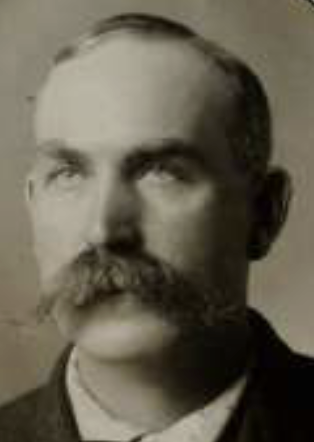
Primary Name: Tatum, M. L.
Filed as: Tatum, M. L.
Also known as: M. L. Tatum
Occupation / Association: Charter member, Pioneers of Alaska Juneau Men's Igloo
Associated places: Juneau, Alaska
Keywords: M. L. Tatum, Tatum family, Juneau pioneers, Pioneers of Alaska charter members, Juneau Men's Igloo, early Juneau residents, Alaska territorial period
Biography
M. L. Tatum was an early resident of Juneau, Alaska, and a charter member of the Pioneers of Alaska Juneau Men's Igloo. The Pioneers of Alaska was founded to promote fellowship among the territory’s early settlers and to preserve the history of those who contributed to the development of Alaska’s communities.
As a charter member of the Juneau Men's Igloo, Tatum was among the early group of residents whose presence in Southeast Alaska predated the organization’s formation and who were recognized as part of the community of pioneers in the Juneau area.
Although few details of Tatum’s life survive in available records, his membership among the charter pioneers places him among the early residents who helped shape the social and civic life of Juneau during Alaska’s territorial period.
Sources
Pioneers of Alaska, Juneau Men's Igloo records.
-
Teal, George Coleman
Teal, George
Born: May 26, 1866, The Dalles, Oregon
Died: February 3, 1940, Seattle, Washington
Parents: Colonel Joseph Teal and Mary Elizabeth Coleman Teal
Spouse: Alma Delaney (married June 2, 1913, Seattle, Washington)
Occupation: Accountant, transportation manager, salmon industry executive
Association: Charter Member, Pioneers of Alaska Juneau Men's Igloo
Biography
George Teal was born May 26, 1866, in The Dalles, Oregon, the son of Colonel Joseph Teal and Mary Elizabeth Coleman Teal. While still an infant, he moved with his family to Portland, Oregon, where he was raised and educated in the city’s public schools. He later attended Pacific University in Forest Grove.
Teal began his business career while still in his teens, working in a Portland hardware store. He later became a freight clerk and purser on vessels operating along the Willamette and Columbia Rivers. He subsequently worked as a representative for the Portland Merchants’ Credit Association in Eastern Oregon, Washington, and Idaho, residing for a time in Moscow, Idaho, and Spokane, Washington.
In 1898, during the Klondike Gold Rush, Teal traveled to Dyea, Alaska, where he managed operations for the Dyea-Klondike Company, a Portland firm. The company operated an aerial tramway that transported freight from Dyea to riverboats headed into the Yukon interior, providing a mechanized alternative to the arduous pack-train methods then used on the trail.
When the White Pass and Yukon Route Railroad was completed from Skagway, the tramway operation was abandoned. Teal then relocated to Juneau, Alaska, where he worked as a bookkeeper and accountant in town and in various nearby mining camps and settlements. During his time in Juneau, he became a charter member of the Juneau Men's Igloo of the Pioneers of Alaska.
Teal returned to the United States in 1905 and the following year settled in Seattle, Washington. There, he became confidential assistant to J. D. Farrell of the Oregon-Washington Railroad. In this position, he assisted with the acquisition of railroad right-of-way between Seattle and Portland.
In 1912, Teal returned to Alaska as manager of the salmon cannery operated by the Admiralty Trading Company at Gambier Bay. He later became a stockholder in the enterprise, marking the beginning of his long association with the Pacific Northwest salmon industry.
After the Admiralty Trading Company sold its interests in 1914, Teal became active in the brokerage side of the salmon industry. He played an influential role in organizing the Pacific Canned Salmon Brokers Association, later known as the Canned Salmon Distributors Association. He served as the association's secretary beginning in 1920 and remained its principal administrative officer until his retirement in 1935.
Teal also served for several years as secretary of the Northwest Salmon Canners Association. At the time of his death, it was noted that he had taken an active and constructive role in the affairs of the salmon industry for nearly thirty years.
Although his professional responsibilities frequently took him to Alaska, Teal maintained his home in Seattle from 1906 onward. He was also a member of the Masonic Order.
On June 2, 1913, he married Alma Delaney, daughter of Arthur K. Delaney and Anna Wallwork Delaney, in Seattle.
George Teal died in Seattle on February 3, 1940, following a long illness.
Sources
Biographies of Alaska–Yukon Pioneers, 1850–1950, Volume 3, pp. 296–298, Ed Ferrell, May 1, 2000.
-
Tohanson, Tulius G.A.
Primary Name: Tohanson, Tulius G. A.
Filed as: Tohanson, Tulius G. A.
Also known as: Tulius G.A. Tohanson
Occupation / Association: Charter Member, Juneau Men's Igloo, Pioneers of Alaska
Associated places: Juneau, Alaska
Keywords: Tulius G A Tohanson, Tohanson family Juneau, Juneau Men's Igloo charter members, Pioneers of Alaska Juneau members
Biography
Tulius G.A. Tohanson was a charter member of the Juneau Men's Igloo of the Pioneers of Alaska. The organization was founded to recognize and preserve the history and fellowship of Alaska’s early settlers.
Although few biographical details are presently recorded in surviving sources, Tohanson’s status as a charter member places him among the early residents of Juneau who helped establish the local Igloo and support the fraternal traditions of the Pioneers of Alaska.
Sources
Pioneers of Alaska, Juneau Men's Igloo records
-
Torvinson, John
Torvinson, John
Occupation / Association: Charter member, Pioneers of Alaska Juneau Men's Igloo
Associated Places: Juneau, Alaska
Biography
John Torvinson was an early resident of Juneau, Alaska, and a founding member of the Pioneers of Alaska organization in the capital city.
Torvinson was a charter member of the Juneau Men's Igloo, indicating that he participated in the local lodge's formation. Charter members were typically individuals who had lived in Alaska during the territorial period and who helped establish the traditions and activities of the fraternal organization.
The Juneau Men's Igloo served as one of the central social and historical organizations for early settlers in Southeast Alaska. Through its membership, Torvinson was part of the group dedicated to preserving the history and fellowship of Alaska's pioneer residents.
Sources
- Pioneers of Alaska, Juneau Men's Igloo records
-
Trudgeon, Joe
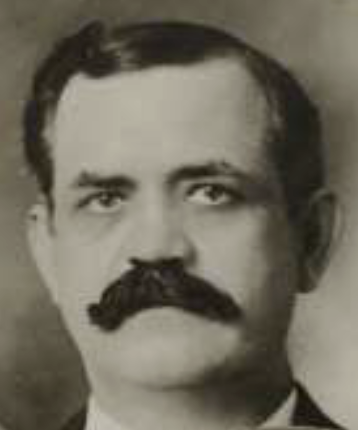
Trudgeon, Joseph
Born: July 1879
Birthplace: England
Immigrated: 1882
Arrived in Alaska: March 1899
Occupation: Cannery laborer; proprietor, Imperial Ice Cream Parlor
Association: Charter Member, Pioneers of Alaska Juneau Men's Igloo
Biography
Joseph Trudgeon was an early resident of the Juneau–Douglas area and a charter member of the Pioneers of Alaska Juneau Men's Igloo.
He was born in July 1879 in England and immigrated to the United States in 1882. Like many men drawn north during the mining and industrial expansion of Southeast Alaska, he came to Alaska in March 1899.
By the time of the 1900 United States Federal Census, Trudgeon was living in the region and working as a laborer at the Taku Fish Company Cannery in Snettisham, one of several canneries operating along the shores of Stephens Passage during the territorial period.
In later years, he became involved in business in the Juneau area and was listed as the proprietor of the Imperial Ice Cream Parlor, reflecting the community's growing commercial life as Juneau developed from a mining camp into a permanent town.
Sources
- 1900 U.S. Federal Population Census
- Polk’s Alaska Yukon Gazetteer
-
Valentine, Emery
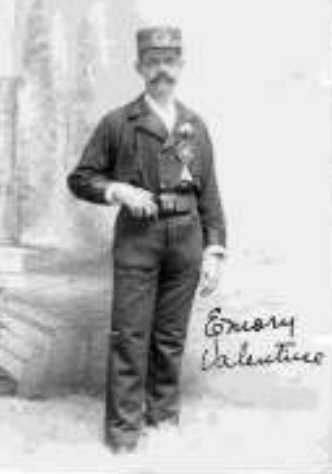 Emery Valentine was a charter member of the Juneau Men's Igloo of the Pioneers of Alaska and one of the most influential civic leaders in the early history of Juneau.
Valentine was born in Dowagiac, Michigan, in 1858. On his mother’s side, his ancestry traces back to William Bradford, who arrived in America aboard the Mayflower in 1620.
At the age of ten, he crossed the plains from Michigan to Colorado, riding a small pony with an old overcoat for a saddle and a rope for stirrups. As a youth, he worked as a miner, but after losing a leg in a mining accident, he turned to another trade and apprenticed as a goldsmith and jeweler. Between 1876 and 1886, he owned and operated several jewelry stores in Colorado and Montana.
In 1886, Valentine moved to Juneau, Alaska, where he opened the E. Valentine Jewelry Store. From the beginning of his residence in Juneau, he became deeply involved in the community’s business, civic, and political life.
Valentine organized the Juneau Volunteer Fire Department and served as its first chief. He donated a specialized fire wagon that carried the slogan, “You ring the bell, and we’ll do the rest.”
He is also credited as being the father of the Juneau Public Library, reflecting his long-standing commitment to civic institutions and public life.
Following the incorporation of Juneau in 1900, Valentine served the city in several public offices. He was elected to the Juneau City Council in 1902 and later served six terms as mayor, from 1908 to 1918.
In territorial and national politics, Valentine was aligned with the Republican Party but supported the Bull Moose (Progressive) movement. He became one of the leaders of the insurgent political movement in Alaska and presided over the territorial convention that sent delegates to the Chicago convention, where Theodore Roosevelt was nominated.
Valentine married Josephine Scanlin on December 16, 1909, in Juneau. The marriage later ended in divorce in 1915.
Emery Valentine died in Juneau on September 10, 1930.
Sources
Alaska Weekly, September 19, 1930
Who's Who in Alaskan Politics: Biographical Dictionary of Alaskan Political Personalities, 1884–1974, Evangeline Atwood and Robert N. DeArmond
-
Van Lehn, John Lewis
Van Lehn, John Lewis
Born: c. 1869
Birthplace: Tuscarawas, Ohio
Died: July 25, 1931 (age 62)
Place of death: Juneau, Alaska
Residence: Willoughby Avenue, Juneau, Alaska
Occupation: Carpenter
Association: Charter Member, Pioneers of Alaska, Juneau Men's Igloo
Biography
John Lewis Van Lehn was an early resident of Juneau and a charter member of the Pioneers of Alaska Juneau Men's Igloo. He was born about 1869 in Tuscarawas, Ohio.
Before coming north, Van Lehn lived in Port Angeles, Washington. He arrived in Alaska in 1896, during the years when the region was developing rapidly as a center for mining and maritime commerce in Southeast Alaska.
Nearly all of the years he spent in the Territory were spent in the Juneau area. Van Lehn worked as a carpenter by trade and for many years maintained a shop in Juneau, contributing to the construction and development of the growing community.
Van Lehn’s wife died in 1925. The couple had no children, and his only known relatives were believed to be living in Ohio.
John Lewis Van Lehn died suddenly of heart trouble on July 25, 1931, at his home on Willoughby Avenue in Juneau at the age of 62.
Sources
- The Daily Alaska Empire, July 27, 1931
- Biographies of Alaska-Yukon Pioneers 1850–1950, Volume 5, p. 279, by Ed Ferrell (May 1, 2000)
-
Wagner, John
Primary Name: John Wagner
Filed as: Wagner, John
Died: August 4, 1942 – St. Ann’s Hospital, Juneau, Alaska
Associated places: Skagway, Alaska; Chilkoot Pass; Juneau, Alaska
Occupation / Association: Packer, Chilkoot Trail
Affiliation: Charter Member, Juneau Men's Igloo
Keywords: Chilkoot Trail packers, Klondike Gold Rush, Chilkoot Pass history, Alaska pioneers, Pioneers of Alaska
Biography
John Wagner was a charter member of the Juneau Men's Igloo.
He first appeared in Skagway in 1896 during the Klondike Gold Rush and worked as a packer on the famous Chilkoot Trail.
Wagner became known as the strong man of Chilkoot Pass and was reputedly the only packer strong enough to carry a complete cook stove over the trail.
Wagner “mushed over the Great Divide” at St. Ann’s Hospital in Juneau on August 4, 1942, at the age of 80.
Sources
- Alaska Sportsman, January 1943, p. 19
- Pioneers of Alaska Men’s Igloo No. 6 Biographical Sketch
-
Wallen, Oscar
Primary Name: Oscar Wallen
Filed as: Wallen, Oscar
Born: November 1876 – Alaska
Associated places: Alaska
Occupation / Association: Not recorded
Affiliation: Charter Member, Juneau Men's Igloo
Keywords: Juneau pioneers, Alaska settlers, Swedish immigrant families, Pioneers of Alaska
Biography
Oscar Wallen was a charter member of the Juneau Men's Igloo.
Wallen was born in November 1876 in Alaska. His father, Oscar Wallen Sr., was born in Sweden and worked as a painter.
Sources
- 1900 U.S. Federal Population Census
- Pioneers of Alaska Men’s Igloo No. 6 Biographical Sketch
-
Waydelich, West
Primary Name: John W. Waydelich
Filed as: Waydelich, John W.
Also known as: “Wes” Waydelich; “West” Waydelich
Died: August 17, 1914 – Juneau, Alaska
Associated places: Auke Bay, Juneau, Alaska; Stikine River; Windham Bay; Shuck River; Cassiar; Montana; Cariboo
Occupation / Association: Farmer; miner; early settler
Affiliation: Charter Member, Juneau Men's Igloo; member, ’87 Pioneers Association
Keywords: Auke Bay homestead, Waydelich Creek, early Juneau settlers, Auke Bay agriculture, Alaska mining frontier
Biography
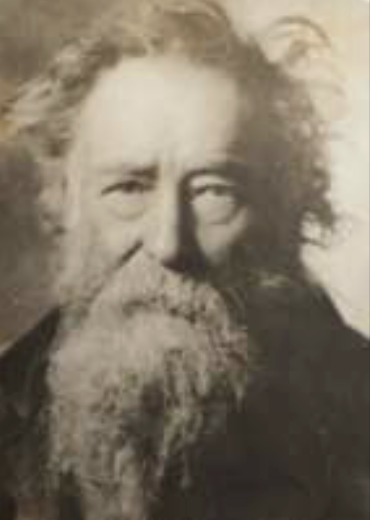
John W. Waydelich was a charter member of the Juneau Men's Igloo and was one of the first white settlers in the Auke Bay area.
Waydelich’s birthplace is not recorded, although he was reported to have been a graduate of Yale University. He first went west to Montana, then to the Cariboo and the Dominion of Canada, and eventually into the Cassiar.
In 1874, he operated a farm on one of the islands at the mouth of the Stikine River. He later moved to Windham Bay, where he mined on the Shuck River.
In 1881, he moved to Juneau. In 1892, he claimed a 160-acre homestead “on Auk Bay, about two miles east of Old Auk Town,” on the creek that now bears his name. He cleared part of the homestead and raised produce, which he sold in Juneau.
Waydelich was a member of the ’87 Pioneers Association, and his signature appears on the original charter of that organization in the Territorial Museum.
Usually known as “Wes” or “West,” he died at Juneau on August 17, 1914. At the time of his death, his age was reported as both 74 and 80.
Waydelich Creek, located on the mainland and discharging into Auke Bay about eleven miles northwest of Juneau, was named for John W. Waydelich. The name has been incorrectly spelled “Wadleigh” on some maps.
Sources
-
Wells, Charles W.
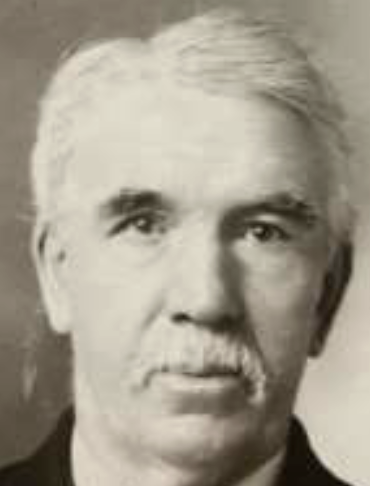 Charles W. Wells was a charter member of the Juneau Men's Igloo.
Wells was born in Pennsylvania on July 17, 1847. He came west to California in 1867 and later moved to Washington Territory. In 1870, he went to the Omineca mining district in British Columbia, and in 1874 to the Cassiar district.
In 1879, he traveled to Sitka and was hired by George Pilz as a blacksmith. There, he worked on building a stamp mill at Silver Bay. Wells was among the first men to come to Juneau from Sitka in the late fall of 1880.
He staked both lode and placer claims along Gold Creek, some of which later became part of the Ebner Mine and provided Wells with substantial dividends.
Wells claimed a town lot on Main Street, now partly occupied by the Seventh-day Adventist Church, and purchased half of another lot at the corner of Front and Main Streets from George Pilz. He constructed a building on the waterside of Front Street but was ordered by a town meeting to remove it.
At that time, it was considered important to keep the waterfront open so canoes and rowboats could be pulled up along the shore. Wells later leased a portion of a lot on Front Street from Pierre Erussard, built a blacksmith shop there, and operated it for nine years.
In addition to his work as a blacksmith, Wells continued prospecting and staked several mining claims, which he later sold.
On December 21, 1894, Wells married Miss S. B. Fisher in Juneau. He later became active in politics and in 1905 was appointed to the Republican Territorial Committee, serving on it until his death.
Charles W. Wells died in Seattle, Washington, on January 12, 1917.
Source
The Founding of Juneau, R. N. DeArmond, 1980, p. 200
-
Wheeler, Frank F.
Primary Name: Frank Wheeler
Filed as: Wheeler, Frank
Born: October 1862 – Michigan, United States
Associated places: Michigan; Bartlett Bay, Alaska
Occupation / Association: Carpenter, Bartlett Bay Saltery
Affiliation: Charter Member, Juneau Men's Igloo
Keywords: Bartlett Bay Saltery, Alaska carpenters, early Alaska industry, Pioneers of Alaska
Biography
Frank Wheeler was a charter member of the Juneau Men's Igloo.
Wheeler was born in October 1862 in Michigan. By 1900, he was living in Alaska and working as a carpenter at the Bartlett Bay Saltery.
Sources
- 1900 U.S. Federal Population Census
- Pioneers of Alaska Men’s Igloo No. 6 Biographical Sketch
-
Welsh, George W.
Primary Name: George Welsh
Filed as: Welsh, George
Born: January 1875 – Iowa, United States
Associated places: Iowa; Juneau, Alaska
Occupation / Association: Bartender
Affiliation: Charter Member, Juneau Men's Igloo
Keywords: Juneau bartenders, Alaska hospitality workers, early Juneau settlers, Pioneers of Alaska
Biography
George Welsh was a charter member of the Juneau Men's Igloo.
Welsh was born in January 1875 in Iowa. He later came to Alaska, where he worked as a bartender.
Sources
- 1910 U.S. Federal Population Census
- Pioneers of Alaska Men’s Igloo No. 6 Biographical Sketch
-
Whitner, George H.
Primary Name: Captain George H. Whitney
Filed as: Whitney, George H.
Born: October 22, 1859 – Saint John, New Brunswick, Canada
Died: January 5, 1936 – California
Spouse: Grace L. T. Walters (married April 2, 1918, Seattle, Washington)
Occupation: Local Inspector of Hulls, Steamboat Inspection Service
Affiliation: Charter Member, Juneau Men's Igloo No. 6
Associated places: Saint John, New Brunswick; San Francisco, California; Sitka, Alaska; Juneau, Alaska
Biography
Captain George H. Whitney was a charter member of the Juneau Men's Igloo.
Whitney was born in Saint John, New Brunswick, Canada on October 22, 1859 and went to sea at a young age. He came to the United States in 1875 and later came to Alaska from San Francisco in 1898 when he was transferred to the Sitka office of the Steamboat Inspection Service.
In 1912, the office was moved to Juneau, where Whitney was placed in charge as Local Inspector of Hulls. He served in that position until his retirement in 1928.
He married Grace L. T. Walters in Seattle, Washington, on April 2, 1918.
During his sixteen years in Juneau, Captain Whitney was active in the Scottish Rite Masons and served as a director of the First National Bank. He also held interests in the Ketchikan Power & Light Company, a proposed pulp and paper plant on the Speel River, and chrome mining ventures in south-central Alaska.
Captain Whitney died in California on January 5, 1936.
Sources
- Pioneers of Alaska Men’s Igloo No. 6 Biographical Sketch
- Alaska State Library Historical Collection, PCA 300
-
Williams, Thomas E.
Primary Name: Thomas Williams
Filed as: Williams, Thomas
Associated places: Juneau, Alaska
Occupation / Association: Barber, C. M. Spores
Affiliation: Charter Member, Juneau Men's Igloo
Keywords: Juneau barber, C M Spores, early Juneau businesses, Pioneers of Alaska
Biography
Thomas Williams was a charter member of the Juneau Men's Igloo.
Williams worked as a barber at C. M. Spores in Juneau, Alaska.
Sources
- Pioneers of Alaska Men’s Igloo No. 6 Biographical Sketch
2025-2026 Chairman, 2024 Commissioner, Alaska State Commission for Human Rights. 2025 United Nations Geneva Human Rights Crisis State & Local Panelist. 2024 Alaska State Delegate, America 250 Convening of the States. 2023-2024 Commissioner, Alaska Historical Commission. 2025-2026 Chairman, 2019-2024 Committee Member, City & Borough of Juneau Historic Resources Advisory Committee. 2024-2025-2026 Sons of Norway Svalbard Lodge Juneau Historian. 2024-2025-2026 Filcom Member. 2018-2020 Committee Member, City & Borough of Juneau Sister Cities Committee. 2019-2020 Member, AVTEC Institutional Advisory Committee. 2006-2020, President & COB, Friends of Jesse Lee Home. 2012 Member, Anchorage Arts Advisory Commission. Anchorage International Film Festival Features Committee Chair/Host/Award Presenter. Balto Film Fest Founder.
2004 Seward City Council. 2002-2006, Seward Centennial Legacy Committee, Seward Economic Development Committee, Seward Waterfront Committee, Seward Alternate Energy Committee, Seward Long-term Care Replacement Facility Committee, and Seward Historic Preservation Commission.