
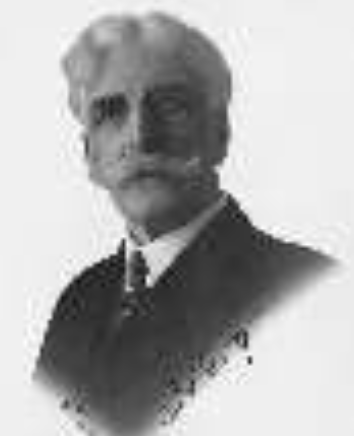
Primary Name: Strong, John Franklin Alexander
Filed as: Strong, John F. A.
Also known as: John Franklin Alexander Strong; J.F.A. Strong; Governor John Strong; Major Strong
Occupation / Association: Governor of Alaska Territory; newspaper editor and publisher; charter member, Pioneers of Alaska Juneau Men’s Igloo
Associated places: Salmon Creek, New Brunswick, Canada; Fredericton, New Brunswick; Spokane, Washington; Bellingham, Washington; Seattle, Washington; Tacoma, Washington; Skagway, Alaska; Dawson, Yukon Territory; Nome, Alaska; Iditarod, Alaska; Katalla, Alaska; Juneau, Alaska
Keywords: John F A Strong, Governor of Alaska Territory, Alaska Daily Empire founder, Nome Nugget newspaper, Skagway Klondike journalism, Soapy Smith opposition, Juneau Men’s Igloo charter members, Alaska territorial politics
Biography
John Franklin Alexander “Major” Strong was a newspaper publisher, territorial leader, and charter member of the Pioneers of Alaska Juneau Men’s Igloo. He served as the tenth Governor of the Territory of Alaska from 1913 to 1918.
Strong was born in Salmon Creek, New Brunswick, Canada, on October 15, 1856. He graduated from the New Brunswick Normal School in 1874 and spent the next fourteen years working as a teacher and store owner throughout the province.
On December 31, 1879, he married Elizabeth A. Aitken of Fredericton, New Brunswick, and the couple had three children. Strong later married Anna Hall of Seattle in 1896.
A newspaperman by profession, Strong worked with newspapers in Spokane, Bellingham, Seattle, and Tacoma. In 1897, he and his wife traveled north to Skagway during the Klondike gold rush. While planning to continue to the Klondike, the booming town of Skagway provided an opportunity for journalism. Strong soon became editor of a local newspaper and wrote strongly against the criminal activities of “Soapy” Smith and his gang, supporting the efforts of law-abiding citizens to restore order in the town.
In 1899, Strong headed to the Klondike and briefly tried prospecting before returning to newspaper work with the Dawson News. Later that year, he went to Nome, Alaska, where he established the Nome Nugget in 1900 and operated it successfully for many years.
Strong later founded newspapers in Iditarod and Katalla, and even operated a paper in a mining camp in Arizona before returning north once again. In November 1912, he founded the Alaska Daily Empire in Juneau.
President Woodrow Wilson nominated Strong as Governor of the Alaska Territory on April 17, 1913. He was sworn into office on May 21, 1913. His administration faced immediate financial difficulties when salmon canneries refused to pay a territorial tax on canned salmon, a major source of revenue for the young territorial government.
During Strong’s tenure, several important developments occurred in Alaska. Legislation and policies during this period included the implementation of workers’ compensation laws, the establishment of the territory’s first old-age pension system, the creation of a territorial Board of Education, and the authorization of a territorial university. Major events affecting Alaska at the time included the construction of the Alaska Railroad, beginning in 1914, and the creation of Mount McKinley National Park in 1917. Territorial voters also approved a prohibition referendum in 1917.
President Wilson declined to reappoint Strong to a second term, and his final day in office came in April 1918. According to later accounts, the decision may have been influenced by information suggesting that Strong, who had been born in Canada, had never formally completed the United States naturalization process.
John F. A. Strong died in Seattle, Washington on July 27, 1929.
Sources
Biographies of Alaska-Yukon Pioneers 1850–1950, Vol. 2, pp. 309–310; Vol. 3, pp. 282–283, Ed Ferrell
Wikipedia: John Franklin Alexander Strong