
 |
 |
|
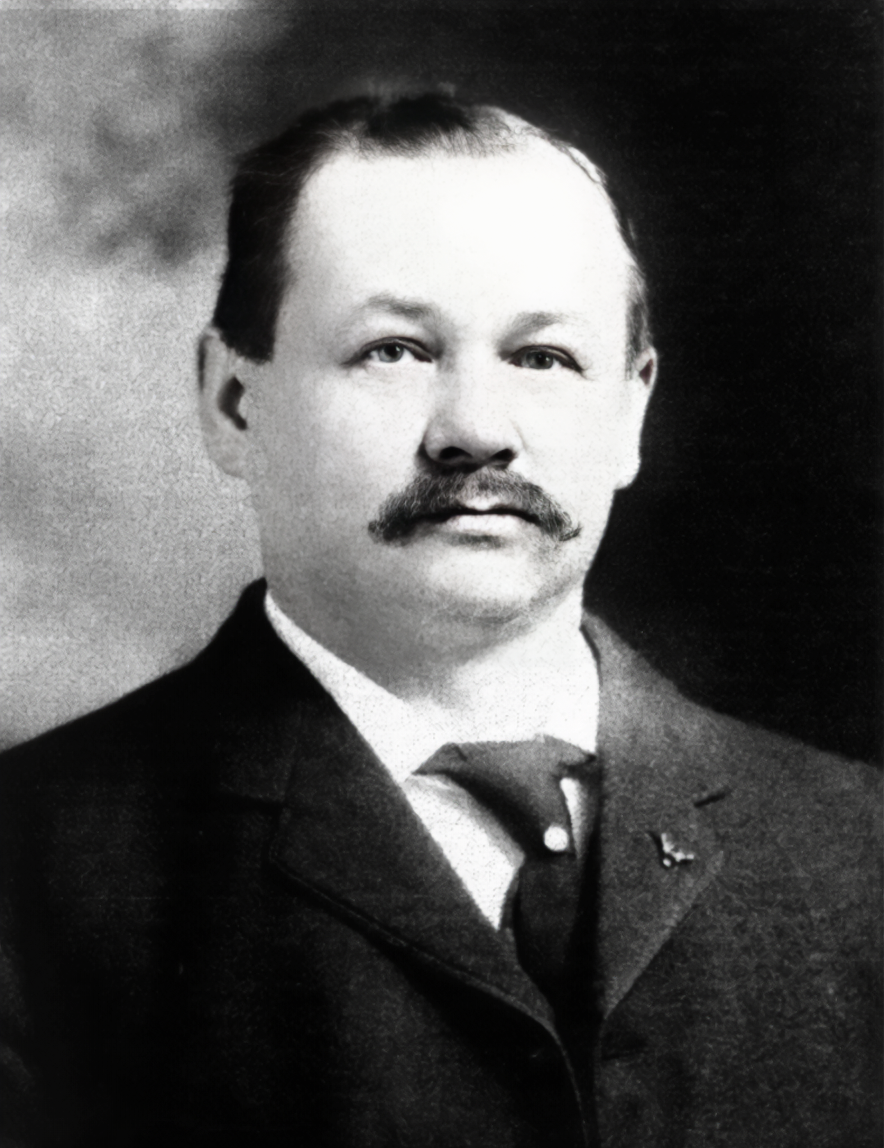
Sebastian B. Zenger, early Juneau resident and cigar manufacturer. |
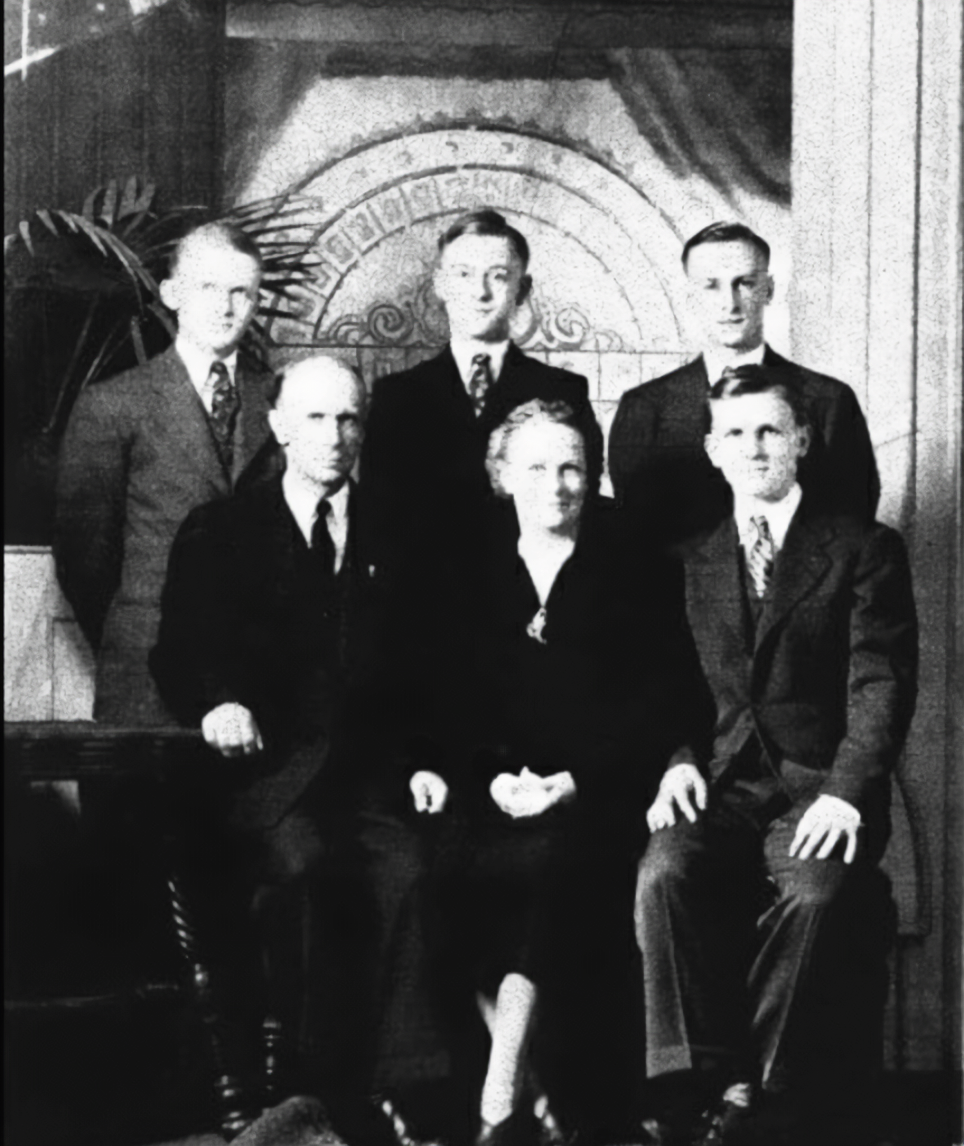
Zenger family portrait, Juneau, Alaska. Sebastian Zenger and family. |
Primary Name: Zenger, Sebastian B.
Filed as: Zenger, Sebastian B.
Also known as: Sebastian Zenger
Occupation / Association: Carpenter; cigar manufacturer; merchant; early Juneau businessman
Associated places: Juneau, Alaska; Douglas, Alaska; Dyea, Alaska; Cook Inlet, Alaska; Sutton, Alaska; Seattle, Washington; Kallmuenz, Bavaria
Keywords: Sebastian Zenger, Zenger family, Juneau pioneers, early Juneau families, cigar manufacturing in Alaska, Dyea Trail packers, Klondike era settlers, Alaska territorial history
Biography
Sebastian B. Zenger was an early settler of Juneau whose family became closely associated with the city's early commercial and social development. Born March 18, 1862, in Kallmuenz, Bavaria, he immigrated to the United States at the age of nineteen.
Zenger first came to Alaska in 1896, traveling to the Cook Inlet district during the early years of Alaska’s mining expansion. When the Klondike gold rush began in 1897, he joined the rush to Dyea, where he worked as a packer for wages along the Dyea Trail during 1897 and 1898.
In 1897, he left Seattle by steamship for Juneau seeking work. The following year, in October 1898, Sebastian brought his wife, Carrie, and their children, Bertha, Alfred Zenger Sr., Theresa, and Hilda, to Juneau, where he found employment as a carpenter. The family soon became part of the growing community of early settlers in Southeast Alaska.
Through family friends, a romance blossomed between Sebastian’s eldest daughter, Bertha, and Joseph Trudgeon, a young merchant and co-owner of a dairy farm in Douglas. Joseph was born in 1879 in Quebec (Durham), England, to Joseph Trudgeon and Josepiah Ruth Haydon. Joseph and Bertha were married in Douglas in 1906.
For nearly a decade, beginning around 1910, the Zenger family lived on the second floor of a two-story wooden-frame building at the southwest corner of Third and Main Streets in Juneau. The first floor housed a cigar manufacturing operation run by Sebastian and his son Alfred Zenger Sr.
This structure later had a colorful history, serving as a dance hall and, later, as a church space. It housed the Resurrection Lutheran Church from the 1930s until the mid-1950s, when a new church building was constructed at Glacier Avenue and 10th Street. In the 1960s, the building was demolished during the widening of Main Street.
The basswood molds used by Sebastian and Alfred in manufacturing cigars were reportedly burned as firewood around 1932. By the 1990s, similar cigar molds had become highly sought after on the antique market. Tobacco used in the manufacture of handmade cigars arrived by steamship in hogsheads. Steamships were the lifelines of Southeast Alaska communities, delivering supplies and livestock long before refrigeration became common.
In the early summer of 1910, Sebastian sent his son Alfred Zenger Sr. to check on a mining venture near Sutton in the Matanuska Valley. Alfred departed Juneau aboard the steamer Star of Seattle. After arriving at Portage on the Kenai Peninsula, he hiked over the portage to the head of Cook Inlet, where Anchorage now stands.
During the early 1920s, Sebastian opened and operated a curio shop on South Franklin Street in Juneau. He ran the shop until his death in 1932.
Through his work as a carpenter, cigar manufacturer, merchant, and investor in Alaska ventures, Sebastian B. Zenger contributed to the early economic life of Juneau during Alaska’s territorial period. Members of the Zenger family remained active in the community for generations.
Sources
- Zenger family historical narrative
- Pioneers of Alaska, Juneau Men's Igloo records
- Juneau historical records
- Gastineau Channel Memories Project – Juneau-Douglas City Museum