
Steinbeck, William
Primary Name: Steinbeck, William
Filed as: Steinbeck, William
Also known as: William Steinbeck
Occupation / Association: Prospector; laborer; carpenter; jail guard; charter member, Pioneers of Alaska Juneau Men’s Igloo
Associated places: Germany; Juneau, Alaska
Keywords: William Steinbeck, Juneau Men’s Igloo charter member, Steinbeck Apartments Juneau, early Juneau property owners, Alaska prospectors, Juneau carpenters
Biography
William Steinbeck was a charter member of the Pioneers of Alaska, Juneau Men’s Igloo.
He was born in Germany in 1864 and immigrated to the United States in 1865. Steinbeck first came to Juneau, Alaska in 1898 during the early years of the territory’s mining development.
During his years in Alaska, he worked in a variety of occupations, including prospector, laborer, carpenter, and jail guard, reflecting the diverse types of work common among early residents of Southeast Alaska.
Steinbeck was also a property owner in Juneau, owning the Steinbeck Apartments on Second Street between Harris Street and Gold Street.
William Steinbeck died on December 11, 1936, at St. Ann’s Hospital in Juneau.
Sources
Pioneers of Alaska Men’s Igloo No. 6 Biographical Sketch
Daily Alaska Empire, December 11, 1936
Stephens, John Thomas
Primary Name: Stephens, John
Filed as: Stephens, John
Also known as: John “Tom” Stephens; Tom Stephens
Occupation / Association: Carpenter; prospector; Charter Member, Pioneers of Alaska Juneau Men's Igloo
Associated places: Juneau, Alaska; Nome, Alaska; Sitka, Alaska; New York
Keywords: John Tom Stephens, Tom Stephens Juneau Alaska, Pioneers of Alaska Juneau Men's Igloo charter members, Juneau carpenters, Alaska gold rush prospectors, Nome Alaska prospectors, Sitka Pioneers Home residents, Evergreen Cemetery Juneau
Biography
John “Tom” Stephens was a carpenter, prospector, and a charter member of the Pioneers of Alaska, Juneau Men's Igloo.
Stephens first came to Juneau in 1885 from his home in upper New York State. Although trained as a carpenter, he spent much of his time in Alaska prospecting during the territory’s gold rush era.
He first traveled to Alaska’s interior during the gold rush of 1897. Three years later, he went to Nome, where he remained for about four years, prospecting and working at his trade.
From 1904 until 1920, Stephens made his home in Juneau. In 1920, the Juneau Elks Lodge proposed sending him to the Elks Home in the states, but he declined the offer, choosing instead to remain in Alaska.
Stephens spent his final years at the Pioneers Home in Sitka, where he died on April 11, 1927. He was buried in Evergreen Cemetery in Juneau.
Sources
Daily Alaska Empire, April 13, 1927.
Strong, John Franklin Alexander
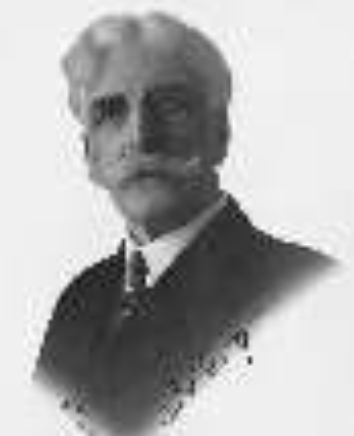
Primary Name: Strong, John Franklin Alexander
Filed as: Strong, John F. A.
Also known as: John Franklin Alexander Strong; J.F.A. Strong; Governor John Strong; Major Strong
Occupation / Association: Governor of Alaska Territory; newspaper editor and publisher; charter member, Pioneers of Alaska Juneau Men’s Igloo
Associated places: Salmon Creek, New Brunswick, Canada; Fredericton, New Brunswick; Spokane, Washington; Bellingham, Washington; Seattle, Washington; Tacoma, Washington; Skagway, Alaska; Dawson, Yukon Territory; Nome, Alaska; Iditarod, Alaska; Katalla, Alaska; Juneau, Alaska
Keywords: John F A Strong, Governor of Alaska Territory, Alaska Daily Empire founder, Nome Nugget newspaper, Skagway Klondike journalism, Soapy Smith opposition, Juneau Men’s Igloo charter members, Alaska territorial politics
Biography
John Franklin Alexander “Major” Strong was a newspaper publisher, territorial leader, and charter member of the Pioneers of Alaska Juneau Men’s Igloo. He served as the tenth Governor of the Territory of Alaska from 1913 to 1918.
Strong was born in Salmon Creek, New Brunswick, Canada, on October 15, 1856. He graduated from the New Brunswick Normal School in 1874 and spent the next fourteen years working as a teacher and store owner throughout the province.
On December 31, 1879, he married Elizabeth A. Aitken of Fredericton, New Brunswick, and the couple had three children. Strong later married Anna Hall of Seattle in 1896.
A newspaperman by profession, Strong worked with newspapers in Spokane, Bellingham, Seattle, and Tacoma. In 1897, he and his wife traveled north to Skagway during the Klondike gold rush. While planning to continue to the Klondike, the booming town of Skagway provided an opportunity for journalism. Strong soon became editor of a local newspaper and wrote strongly against the criminal activities of “Soapy” Smith and his gang, supporting the efforts of law-abiding citizens to restore order in the town.
In 1899, Strong headed to the Klondike and briefly tried prospecting before returning to newspaper work with the Dawson News. Later that year, he went to Nome, Alaska, where he established the Nome Nugget in 1900 and operated it successfully for many years.
Strong later founded newspapers in Iditarod and Katalla, and even operated a paper in a mining camp in Arizona before returning north once again. In November 1912, he founded the Alaska Daily Empire in Juneau.
President Woodrow Wilson nominated Strong as Governor of the Alaska Territory on April 17, 1913. He was sworn into office on May 21, 1913. His administration faced immediate financial difficulties when salmon canneries refused to pay a territorial tax on canned salmon, a major source of revenue for the young territorial government.
During Strong’s tenure, several important developments occurred in Alaska. Legislation and policies during this period included the implementation of workers’ compensation laws, the establishment of the territory’s first old-age pension system, the creation of a territorial Board of Education, and the authorization of a territorial university. Major events affecting Alaska at the time included the construction of the Alaska Railroad, beginning in 1914, and the creation of Mount McKinley National Park in 1917. Territorial voters also approved a prohibition referendum in 1917.
President Wilson declined to reappoint Strong to a second term, and his final day in office came in April 1918. According to later accounts, the decision may have been influenced by information suggesting that Strong, who had been born in Canada, had never formally completed the United States naturalization process.
John F. A. Strong died in Seattle, Washington on July 27, 1929.
Sources
Biographies of Alaska-Yukon Pioneers 1850–1950, Vol. 2, pp. 309–310; Vol. 3, pp. 282–283, Ed Ferrell
Wikipedia: John Franklin Alexander Strong
Winn, Slim Jim
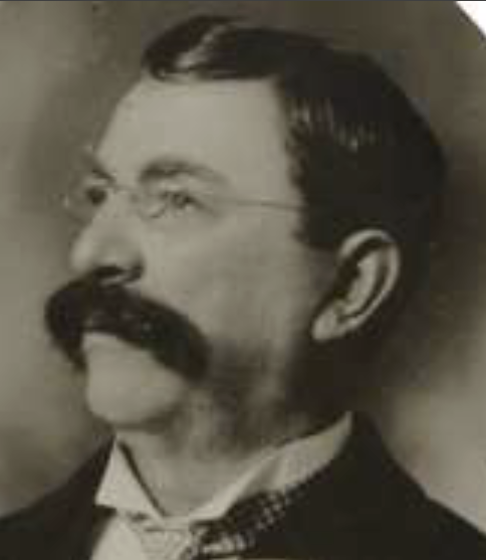 James “Slim Jim” Winn was a charter member of the Juneau Men's Igloo.
Winn was born in Cornwall, England, in 1840. He came to the United States while still a young man. In 1872, he went to the Cassiar mining district by way of Wrangell and Telegraph Creek.
He arrived in Juneau in 1882 and was reportedly the first white man to cross the Chilkoot Pass. He was accompanied on that trip by John McKenzie.
He was also said to be the first white man to run the Five Finger Rapids and other rapids of the upper Yukon River.
During his residence in Juneau, he was engaged in mining and prospecting. He made his home in Juneau continuously, with the exception of a trip to the interior in 1895, when he traveled down the Yukon River and returned by way of the coast, catching a trading vessel south from the mouth of the Yukon.
He held interests in real estate and mining property in Juneau and the surrounding area.
James Winn died in Juneau on August 24, 1916.
Anchorage Daily Times, August 24, 1949; Biographies of Alaska-Yukon Pioneers 1850–1950, Vol. 4, Ed Ferrell, p. 342 (May 1, 2009).