
Wiley, Perry
Porcupine Mining District Discovery
In 1898, prospectors Mix Silva, Edward Findley, and Perry Wiley, who had been grubstaked by Jack Dalton, discovered placer gold on Porcupine Creek north of Haines near the Dalton Trail. Following the discovery, the Porcupine Mining District was formally organized on October 22, 1898.
On November 5, 1898, Dalton and his three prospectors located the Discovery Claim. Additional claims were subsequently located by Dalton and his business partners, E. B. Hanley and John Malony.
The district experienced a stampede in 1899 as prospectors rushed to the area. Gold was discovered in nearby creeks, and additional deposits of gold and copper were found as far as sixty miles away, including in the Rainy Hollow district in Canada. During the first year of mining, gold production was reportedly worth approximately $50,000, of which about $40,000 came from Dalton’s Discovery Claim.
The deposits in the district were rich but fairly deep, requiring significant infrastructure to mine effectively. Miles of ditches and flumes were constructed to supply water for hydraulic lifts, sometimes called gravel elevators, where miners processed the gravel to recover gold.
Commercial support for the new district was supplied by the Porcupine Trading Company, organized by Dalton, Hanley, and Malony on August 1, 1899. The company imported mining equipment and extended liberal credit to other miners operating in the district.
In 1900, Dalton and his partners shipped in approximately 300 tons of equipment and supplies. The mines operated profitably until about 1905, when a major flood destroyed much of the mining infrastructure. Recognizing that most of the easily recovered gold had likely been extracted, Dalton, Hanley, and Malony sold their interests at a profit in 1907.
Source
Alaska Mining Hall of Fame
Findley, Edward
<
Primary Name: Findley, Edward
Filed as: Findley, Edward
Also known as: Edward Findley
Occupation / Association: Prospector; miner; discoverer of placer gold on Porcupine Creek; Porcupine Mining District discovery party
Associated places: Porcupine Creek, Alaska; Haines, Alaska; Dalton Trail; Rainy Hollow district, British Columbia
Keywords: Edward Findley, Porcupine Creek gold discovery, Porcupine Mining District, Dalton Trail prospectors, Jack Dalton mining operations, Mix Silva prospector, Perry Wiley prospector, Alaska gold rush prospectors, Haines Alaska mining history
Biography
Edward Findley was one of the prospectors associated with the discovery of placer gold on Porcupine Creek north of Haines along the Dalton Trail.
In 1898, prospectors Mix Silva, Edward Findley, and Perry Wiley, who had been grubstaked by Jack Dalton, discovered placer gold on Porcupine Creek north of Haines near the Dalton Trail. Following the discovery, the Porcupine Mining District was formally organized on October 22, 1898.
On November 5, 1898, Dalton and his three prospectors located the Discovery Claim. Additional claims were soon located by Dalton and his business partners, E. B. Hanley and John Malony. The district was stampeded in 1899 as prospectors rushed into the region. Gold was discovered in nearby creeks, and both gold and copper were found in areas as much as sixty miles distant, including the Rainy Hollow district in Canada. The first year’s gold production was reportedly worth about $50,000, of which approximately $40,000 came from Dalton’s Discovery Claim.
The deposits in the district were rich but fairly deep, requiring complex infrastructure to mine effectively. Miles of ditches and flumes were constructed to supply water to hydraulic lifts, sometimes called gravel elevators, where miners recovered the gold. Commercial support for the new district was supplied by the Porcupine Trading Company, organized by Dalton, Hanley, and Malony on August 1, 1899. The company brought in mining equipment and extended liberal credit to other miners working in the district.
In 1900, Dalton and his partners shipped approximately 300 tons of equipment and supplies into the district. The mines operated profitably until about 1905, when a major flood washed out a considerable amount of the mining infrastructure. Recognizing that much of the easily recovered gold had likely been extracted, Dalton, Hanley, and Malony sold their interests profitably in 1907.
Edward Findley’s role in the original discovery party places him among the early prospectors whose work helped open the Porcupine Mining District and contributed to the mining history of the Haines region during Alaska’s gold rush era.
Sources
Alaska Mining Hall of Fame
Silva, Mix
Primary Name: Porcupine Mining District
Filed as: Porcupine Mining District
Also known as: Porcupine Creek Gold Discovery
Occupation / Association: Placer gold mining district
Associated places: Porcupine Creek, Alaska; Haines, Alaska; Dalton Trail; Rainy Hollow District, Canada
Keywords: Porcupine Mining District Alaska, Porcupine Creek gold discovery, Jack Dalton, Mix Silva, Edward Findley, Perry Wiley, EB Hanley, John Malony, Porcupine Trading Company, Dalton Trail mining, Haines Alaska mining history, Rainy Hollow mining district, Alaska placer mining, hydraulic mining Alaska, Alaska gold rush mining districts
Biography
In 1898 prospectors Mix Silva, Edward Findley, and Perry Wiley, who had been grubstaked by Jack Dalton, discovered placer gold on Porcupine Creek north of Haines along the Dalton Trail. The discovery quickly attracted attention and the Porcupine Mining District was formally organized on October 22, 1898.
On November 5, 1898, Dalton and the three prospectors located the Discovery Claim. Additional claims were soon located by Dalton and his business partners E. B. Hanley and John Malony. The district experienced a mining rush in 1899 as prospectors arrived and began working nearby creeks and surrounding areas.
Prospectors soon discovered gold in nearby creeks and both gold and copper deposits in areas as much as sixty miles distant, including the Rainy Hollow district in Canada. First-year production from the Porcupine district was reported to be worth approximately $50,000, with about $40,000 coming from Dalton’s Discovery Claim.
The gold deposits in the district were rich but fairly deep, requiring significant infrastructure to mine profitably. Miners constructed miles of ditches and flumes to deliver water to hydraulic mining systems. Hydraulic lifts, sometimes called gravel elevators, were used to raise gold-bearing gravel for processing.
Commercial support for the mining district came from the Porcupine Trading Company, organized by Dalton, Hanley, and Malony on August 1, 1899. The company imported mining equipment and provided supplies and credit to miners working in the district.
In 1900 Dalton and his partners shipped approximately 300 tons of mining equipment and supplies into the area. Mining operations continued profitably until around 1905, when a major flood destroyed much of the mining infrastructure. Recognizing that much of the easily recovered gold had been extracted, Dalton, Hanley, and Malony sold their interests in the district in 1907.
Sources
Alaska Mining Hall of Fame.
Dalton, Jack

Primary Name: Dalton, Jack
Filed as: dalton_jack
Also known as: Jack Dalton, Jack Miller
Occupation / Association: Freighter, Explorer, Entrepreneur, Klondike Transportation Pioneer
Born: June 25, 1856, Michigan (most probable)
Died: December 16, 1944, San Francisco, California
Parents: Unknown
Spouse: Anna Krippeahne Dalton; earlier unnamed spouse
Children: Jack Dalton Jr., Margaret Dalton, James W. Dalton, Josephine Dalton
Associated places: Juneau Alaska, Haines Alaska, Pyramid Harbor Alaska, Porcupine Mining District Alaska, Cordova Alaska, Yakutat Alaska, Chickaloon Alaska, Klondike Yukon
Keywords: Jack Dalton, Dalton Trail, Klondike freighting, Dalton Trail Company, Porcupine Mining District, Copper River Northwestern Railway
Biography
Jack Dalton's life of nearly ninety years spanned an era of extraordinary change in Alaska and the Yukon. As Alaska's premier freighter during the Gold Rush era, he witnessed the transition from pack animals and human labor to the mechanized age of railroads and aircraft.
Accounts of Dalton's early life are inconsistent. His birthplace has been listed as Oklahoma, Kansas, or the Cherokee Strip, but his California death certificate records that he was most likely born in Michigan on June 25, 1856.
Dalton had only a limited formal education but became largely self-educated through reading and writing. He possessed a wide range of practical frontier skills and developed a reputation as a formidable and capable man with a quick temper. He was known as a skilled horseman, hunter, cook, and boatman.
As a young man, he traveled widely across the American West, at one time using the name Jack Miller. By the early 1880s, he had moved to Burns, Oregon, where he operated a logging business. A violent altercation there resulted in the fatal shooting of a cook during a struggle, prompting Dalton to leave the area.
Dalton eventually traveled to San Francisco and joined a sealing ship bound for the Arctic coast. The crew was arrested for illegal sealing and jailed in Sitka. After gaining his freedom in the mid-1880s, Dalton remained in Alaska and quickly developed a reputation as a skilled wilderness guide and negotiator with Indigenous communities. He learned Chinook Jargon, the regional trade language of the Pacific Northwest.
In 1886, Dalton joined the Schwatka–New York Times expedition attempting to climb Mount St. Elias. The expedition reached approximately 5,700 feet before being forced to retreat due to illness. Dalton remained in the Yakutat region afterward, prospecting and exploring coastal areas around Disenchantment Bay.
In 1890, Dalton participated in the Frank Leslie Newspaper Expedition led by E. Hazard Wells with explorer E. J. Glave. The expedition crossed Chilkat Pass and explored interior river systems, including the Alsek River. Dalton and Glave became the first known non-Native explorers to descend the lower Alsek River by canoe.
During the early 1890s, Dalton pioneered the use of pack horses for transportation between the Alaska coast and the Yukon interior. He developed what became known as the Dalton Trail, running from Pyramid Harbor near present-day Haines across the coastal mountains toward the Yukon River.
The trail was completed before the Klondike Gold Rush of 1897 and quickly became a major transportation route. At its peak, trains of more than 250 horses carried freight and livestock to the goldfields. Dalton received permission from the U.S. government to collect tolls along portions of the trail while allowing Chilkat people to travel freely.
Dalton was closely associated with Juneau attorney John F. Malony, who frequently partnered with him in business ventures. Together, they operated the Dalton Trail Company, the Dalton Trading and Transportation Company, and the Dalton Pony Express Company.
Dalton also played a role in the development of the Porcupine mining district near Haines after gold was discovered there in 1898 by prospectors he had grubstaked. Dalton and partners established the Porcupine Trading Company to support mining operations.
Later, Dalton assisted with survey efforts for the construction of the Copper River and Northwestern Railway. His reconnaissance helped demonstrate that a rail route up the Copper River was feasible, eventually leading to the construction of a railroad to the Kennecott copper mines.
Dalton continued to work as a freighter and transportation contractor into the early twentieth century. In 1913, he undertook a difficult contract hauling 900 tons of coal from the Chickaloon mine to Cook Inlet for testing by the U.S. Navy. The expedition required constructing over forty miles of winter road and hauling coal by horse-drawn sleds.
Dalton later moved operations to Cordova, where he ran sawmills and transportation companies. In 1915, many of his Cordova holdings were purchased by interests associated with the Kennecott Copper Corporation.
Dalton married twice and had four children, including James W. Dalton, an engineer whose name was later given to the Dalton Highway on Alaska's North Slope.
After leaving Alaska, Dalton lived in the Seattle and San Francisco areas and even prospected for diamonds in British Guiana in the early 1920s.
Jack Dalton died in San Francisco on December 16, 1944, at the age of eighty-nine.
In 1942, the United States Army reopened portions of the historic Dalton Trail while constructing the Alaska-Canada Highway.
Sources
Berton, Pierre. Klondike: The Last Great Gold Rush 1896-1899. Coutts, R. C. Yukon Places and Names. Blakemore, F. B. Grit and Gold. Cracraft & Cole. A History of Coal Mining in the Sutton-Chickaloon Area. DeArmond, R. N. “Miners and Cattle Used Dalton's Trail.” DeLaguna, Frederica. Under Mt. St. Elias. Glave, E. J. “Our Alaska Expedition,” Frank Leslie's Illustrated Newspaper. Hakkinen, Elizabeth. Haines, the First Century. Russell, Israel C. An Expedition to Mt. St. Elias. Wier, Gary. “The Man Behind the Dalton Trail.” Alaska State Library Malony Files.
Tags: Jack Dalton, Dalton Trail, Alaska freighters, Klondike Gold Rush transportation, Haines Alaska history, Porcupine mining district, Copper River Northwestern Railway, Alaska pioneers, Alaska Mining Hall of Fame
Malony, John F.
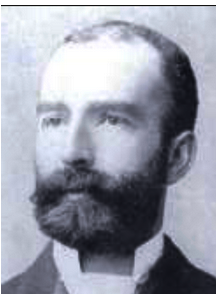
Primary Name: Malony, John F., Jr.
Filed as: Malony, John F., Jr.
Also known as: John F. Malony; John Mahony
Occupation / Association: Lawyer; businessman; mining investor; mayor of Juneau; charter member, Pioneers of Alaska Juneau Men's Igloo; President, Alaska Electric Light and Power Company
Associated places: Juneau, Alaska; Shieldsville Township, Rice County, Minnesota; Glendive, Montana; Dawson County, Montana; Porcupine District, Alaska; Windham Bay, Alaska; Rainy Hollow, British Columbia; Palo Alto, California
Keywords: John F Malony Juneau Alaska, Juneau mayor early Alaska, Dalton Trail Company partners, Jack Dalton Alaska Pathfinder associate, Porcupine Mining District Alaska, Alaska Electric Light and Power Company history, Chicken Ridge Juneau development, Alaska pioneers business leaders
Biography
John F. Malony, Jr. was a charter member of the Pioneers of Alaska, Juneau Men's Igloo, and one of the most influential early civic and business leaders in Juneau. Pioneer banker and businessman B. M. Behrends once remarked that Malony had “probably done more for Juneau than any other man.”
Malony was born in 1857 in Shieldsville Township, Rice County, Minnesota, to Francis and Mary Donahue Malony, Irish immigrants who had earlier settled in New Brunswick, Canada. He was educated at Shattuck School in Faribault and at St. John’s College in St. Cloud, Minnesota. After reading law under Minnesota Attorney General Gordon E. Coles, he passed the bar and practiced law for nearly twenty years.
In 1881, he moved to Glendive, Montana, during the rapid development of the mining frontier. His career advanced quickly: he was appointed Probate Judge in 1882, elected to the Montana legislature later that year, and served as a delegate to the Montana Constitutional Convention in 1884.
Following an assassination attempt during a speech in Montana, Malony eventually left the territory and moved north to Alaska in the mid-1890s, bringing with him his son Joseph Mahony.
In Juneau, he met Cora Cleveland, a milliner who had established a hat shop in the city in 1895. They married in Juneau, and on December 29, 1899, their son John F. Malony III was born.
Malony worked closely with Alaska Pathfinder Jack Dalton. In 1893, he successfully defended Dalton in the controversial trial involving the death of Don (or Dennis) McGinnis. Malony and Dalton later partnered in several ventures, including the Dalton Trail Company and the Dalton Pony Express Company, which served miners traveling to the Yukon prior to the construction of the White Pass and Yukon Railway.
Malony also participated in early mining investments throughout Southeast Alaska. He was involved in placer claims on Chicken Ridge in 1890 and later in mining ventures in the Porcupine district near Haines with partners including E. B. Hanley. The group also operated the Porcupine Trading Company.
Beyond mining, Malony invested in fisheries and canneries near Wrangell and Petersburg and became a principal stockholder in the Juneau Ferry & Navigation Company.
Malony was deeply involved in civic affairs. He served on Juneau’s first city council around 1900 and was elected mayor in 1907. He also helped lead the Alaska Electric Light and Power Company, serving as its president while J. P. Corbus served as treasurer. Their leadership expanded electrical power generation in Juneau during the early twentieth century.
Among Malony’s real estate projects were the Gold Belt residential development and the Malony Block commercial buildings in downtown Juneau. One house constructed in association with mining entrepreneur Bart Thane later became the well-known Wickersham House.
Malony’s health declined around 1915, and he moved to California while continuing to manage his Alaska investments. He died in Palo Alto, California in early June 1919. He was survived by his wife, Cora Cleveland Malony, and three children.
Sources
Alaska Mining Hall of Fame.
Gastineau Channel Historical Society, Winter 1986.
Malony Collection, Alaska State Library, MS 40.
Alaska Daily Empire, June 2, 1919.
McKinnon, Lauchlin
Primary Name: MacKinnon, Lauchlin
Filed as: mackinnon_lauchlin
Also known as: Lockie MacKinnon; Lauchlin "Lockie" MacKinnon
Occupation / Association: Charter member, Juneau Men’s Igloo; miner; hotel proprietor; pioneer businessman
Born: 1866, Lake Ainslie, Cape Breton, Nova Scotia
Died: 1946, Juneau, Alaska
Parents: Archibald Neil MacKinnon; Mary MacLeod
Spouse: Martha Maline Lokke
Children: James Simpson MacKinnon; John Neil Donald (Donald Lokke MacKinnon); Thron Rudolph Lokke MacKinnon
Associated places: Lake Ainslie, Cape Breton, Nova Scotia; Scotland; Juneau, Alaska; Porcupine District, Alaska; Dyea, Alaska; Chilkoot Pass; Stikine River; Yukon River; Lake Laberge; Forty Mile, Yukon; Atlin, British Columbia; Cleary Creek, Fairbanks, Alaska; Seattle, Washington
Keywords: Lauchlin MacKinnon, Lockie MacKinnon, MacKinnon Juneau pioneer, Juneau Men’s Igloo charter member, Atlin gold discovery, Circle City Hotel Juneau, MacKinnon Apartments Juneau, Martha Lokke MacKinnon, Archibald Neil MacKinnon, Mary MacLeod, Porcupine mining district, Chilkoot Pass cattle drive, Alaska pioneers
Biography
Lauchlin “Lockie” MacKinnon was a charter member of the Juneau Men’s Igloo and one of the early pioneers of the Juneau district.
MacKinnon was born in 1866 at Lake Ainslie, Cape Breton, Nova Scotia. His parents, Archibald Neil MacKinnon and Mary MacLeod, lived on the family farm there. The family had emigrated from Scotland in 1820.
As a teenager, Lockie left home and later said that he traveled on foot across Canada through the Cassiar District before reaching the Stikine River. From there, he traveled down the Stikine and eventually reached Juneau by boat.
Early in his mining career, he entered into a partnership with George Miller, and the two mined the Porcupine district in the early 1890s. In 1893, MacKinnon joined Jack Horn, John Reed, and another companion, probably Miller, in crossing the Chilkoot Pass from Dyea. During this journey, they encountered General Frederick Funston, who was touring Alaska as a government representative for the Smithsonian Institution.
At the foot of Lake Laberge, they built boats and traveled down the Yukon River, passing Five Fingers and continuing as far as Forty Mile.
During the winter of 1895–1896, MacKinnon and Miller erected the Circle City Hotel in Juneau on Third Street between Seward and Franklin streets. The hotel contained eighty rooms, a bar, and a dining room, and was named for Circle City in the Yukon.
In 1896, MacKinnon traveled to Seattle to secure maids for the hotel. Martha Maline Lokke, who had been born in Norway in 1870, and a Scandinavian friend were hired and came to Juneau. Martha later recalled that “two weeks later I foolishly married the man.” Miller reportedly turned to Martha’s friend just before the ceremony and suggested that they marry as well, resulting in what may have been one of the first double weddings in the Territory.
MacKinnon was one of four discoverers of the Atlin gold fields in 1897. The party traveled from Juneau over the snow via the Taku River and Atlin Lake. News of their discovery reached the outside world in August of that year, triggering a rush to the Atlin district.
During the winter of 1898, MacKinnon and Fritz Miller, the brother of George Miller, drove the first herd of cattle over the Chilkoot Pass to Dawson.
Martha and Lockie’s first child, James Simpson MacKinnon, was born in 1897 and was named in honor of the physician Dr. James Kidd Simpson, who had earlier saved Lockie’s life after an explosion and cave-in at the Ebner Mine. In 1901, the couple welcomed twins, John Neil Donald and Thron Rudolph Lokke MacKinnon, who were born in the family home located on the land where the MacKinnon Apartments would later stand. Rudolph died during the diphtheria epidemic of 1911. John Neil Donald later changed his name to Donald Lokke MacKinnon.
Following Rudolph’s death, Martha and Lockie returned to Juneau and managed the Zynda Hotel, later renamed the Juneau Hotel, on Main Street.
In 1926, the MacKinnons constructed the apartment house at Third and Franklin streets, which was promoted as “Juneau’s first modern apartment house.” The building was enlarged during the 1960s and became known as the MacKinnon Apartments.
The MacKinnons resided continuously in Juneau except for four years spent at Cleary Creek near Fairbanks and two years in Seattle.
Both were active in the Juneau community. They were members of Northern Light Presbyterian Church, the Pioneers of Alaska, the Elks, and the Eastern Star. MacKinnon also served for many years as a trustee of the Pioneers’ Home in Sitka.
The couple continued to reside at the MacKinnon Apartments until their deaths.
Sources
Gastineau Channel Memories, 1880–1959, p. 301
Tags: Lauchlin MacKinnon, Lockie MacKinnon, MacKinnon family Juneau, Juneau Men’s Igloo charter member, Atlin gold discoverer, Circle City Hotel Juneau, MacKinnon Apartments Juneau, Martha Lokke MacKinnon, Porcupine mining district, Chilkoot Pass cattle drive, Juneau pioneers